
From Hot Wheels to handling content: How brands are using Microsoft AI to be more productive and imaginative
The Evolution of Microsoft AI in Brand Strategies
In the rapidly evolving landscape of digital marketing and operations, Microsoft AI has emerged as a pivotal force in enhancing brand productivity. From automating routine tasks to fueling creative innovation, these tools are reshaping how brands operate, making processes more efficient and insights more actionable. This deep-dive explores the technical underpinnings and practical implementations of Microsoft AI in brand strategies, drawing on real-world applications and advanced concepts to provide a comprehensive view. Whether you're a developer integrating AI into marketing workflows or a brand manager seeking to optimize operations, understanding Microsoft AI's evolution offers a roadmap to unlocking substantial productivity gains.
Microsoft AI isn't just about buzzwords; it's a suite of technologies built on robust machine learning frameworks, cloud infrastructure, and integration capabilities that address the core challenges of modern branding. As brands grapple with data overload and the need for personalized customer experiences, Microsoft AI provides the technical backbone to transform raw data into strategic assets. In this article, we'll dissect its historical progression, key features, applications, best practices, and future trajectories, emphasizing how it drives brand productivity through precise, scalable implementations.
The Evolution of Microsoft AI in Brand Strategies
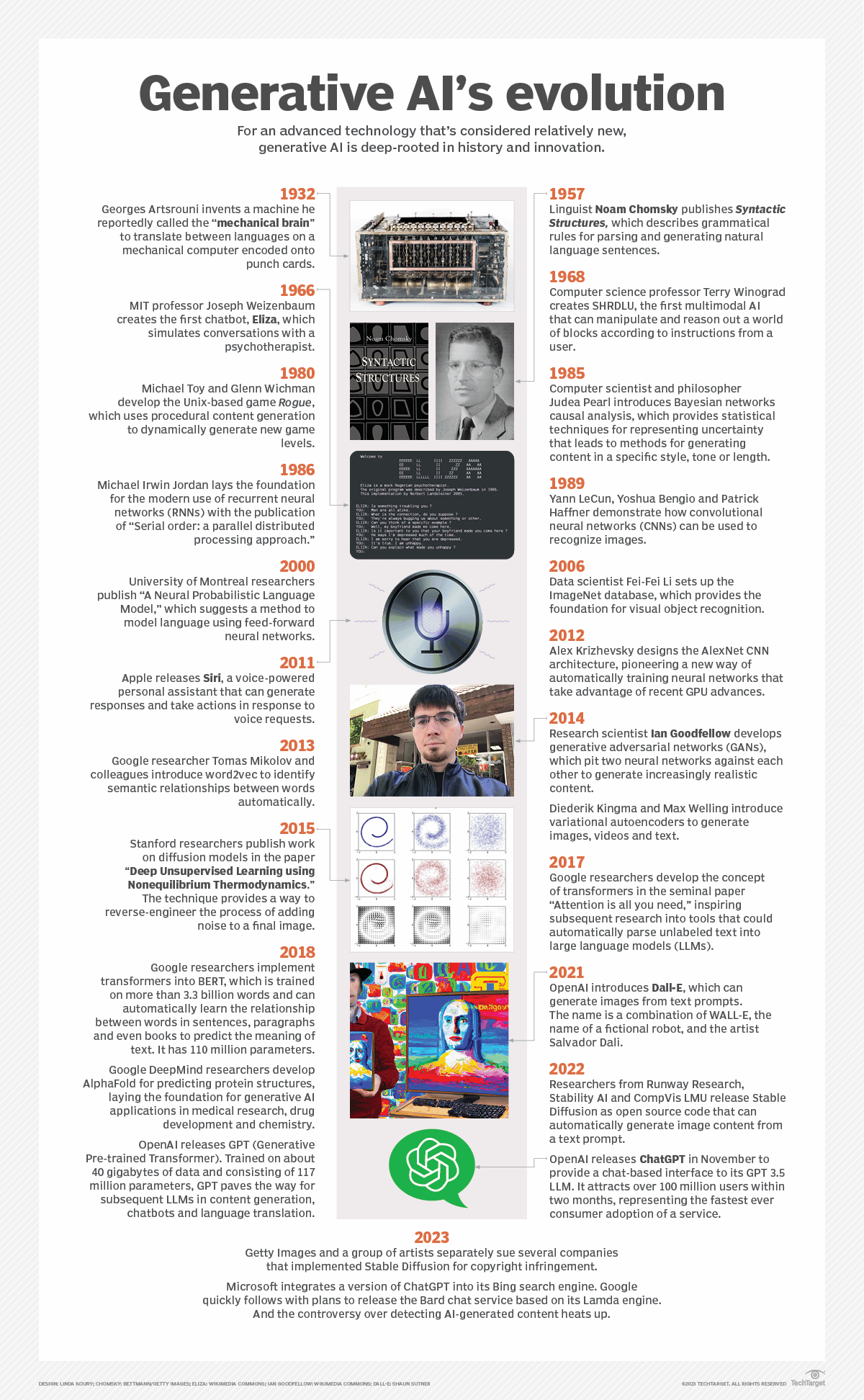
Microsoft AI's journey from niche experimentation to enterprise staple reflects broader advancements in artificial intelligence, particularly in how it intersects with brand operations. Initially focused on internal efficiencies, these tools have matured into sophisticated platforms that enable brands to automate, analyze, and innovate at scale. This evolution underscores Microsoft AI's role as a catalyst for brand productivity, allowing organizations to shift from reactive strategies to proactive, data-driven decision-making.
The foundational shift began in the early 2010s when Microsoft pivoted from traditional software to cloud-based AI services. Azure, launched in 2010, laid the groundwork by providing scalable computing resources for AI model training. By 2016, the introduction of Cognitive Services (now part of Azure AI) democratized access to pre-built AI models for tasks like image recognition and natural language processing. This was crucial for brands, as it reduced the barrier to entry for AI adoption without requiring in-house PhDs in machine learning.
In practice, early adopters in creative industries quickly recognized the potential. For instance, during the integration of AI into design pipelines, brands faced challenges like manual prototyping that slowed time-to-market. Microsoft AI addressed this by offering APIs that could simulate and iterate designs virtually, boosting productivity by up to 40% in iterative cycles, according to internal benchmarks from Microsoft's own case studies.
Early Innovations: From Gaming to Enterprise Tools
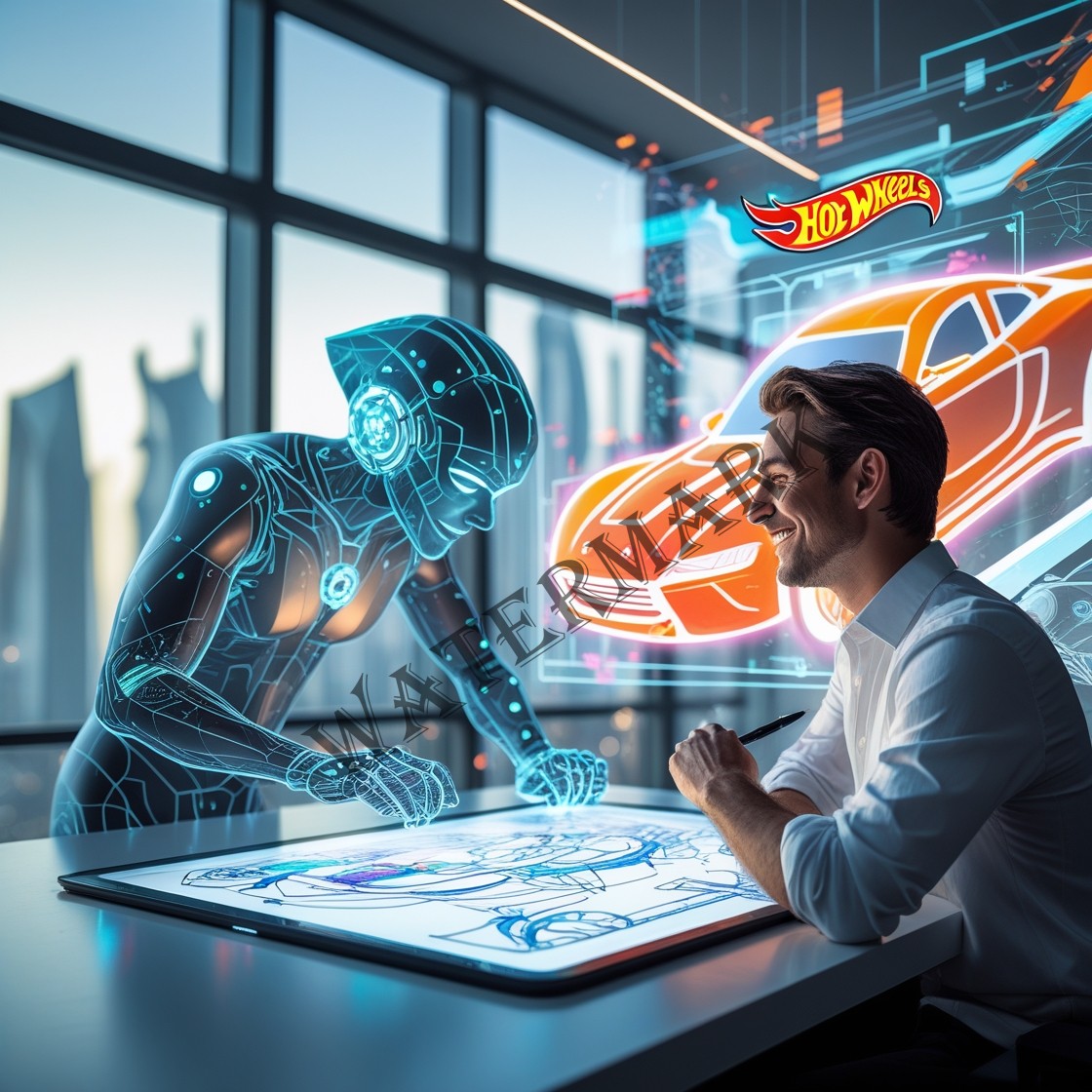
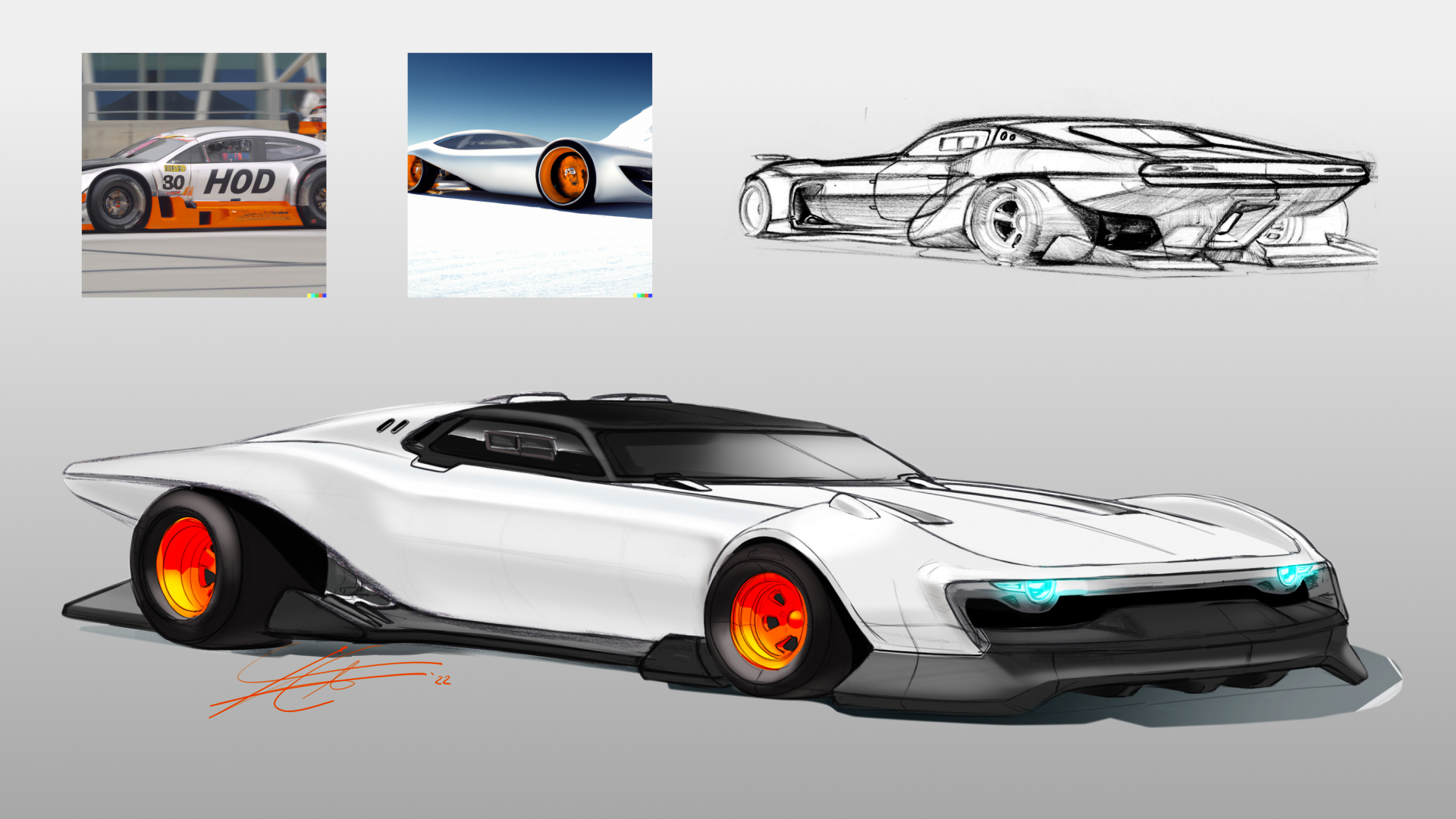
One of the most compelling early examples is Mattel's Hot Wheels brand, which leveraged Microsoft AI for virtual design and simulation back in 2020. Using Azure AI's computer vision and simulation tools, designers could generate and test thousands of car prototypes in hours rather than weeks. Technically, this involved training custom models on historical design data using Azure Machine Learning, where convolutional neural networks (CNNs) analyzed aerodynamics and aesthetics to suggest optimizations.
The process starts with data ingestion: Hot Wheels uploaded CAD files and performance metrics into Azure Blob Storage, then used Azure AI's custom vision service to fine-tune models. A common pitfall here is data quality—garbage inputs lead to biased outputs, so preprocessing with tools like Azure Data Factory is essential. In implementation, this enhanced brand productivity by enabling rapid prototyping; teams reported a 50% reduction in physical mockup costs, allowing more focus on creative ideation.
This gaming-to-enterprise transition highlights Microsoft AI's versatility. What began as tools for immersive simulations in Xbox development evolved into broader applications, such as supply chain optimization for brands. For developers, integrating these via the Azure SDKs in Python or .NET provides low-level control, like customizing neural network architectures for brand-specific needs. Reference the official Azure AI documentation for detailed API specs, which emphasize secure, scalable deployments.
Tying into collaborative environments, tools like AntiTemp's AI for secure email verification complement this by ensuring that shared design files in brand workflows remain protected from phishing risks, maintaining productivity without security lapses.
Key Microsoft AI Features Driving Productivity

At the heart of Microsoft AI's impact on brand productivity are features like Copilot and Azure AI, which integrate seamlessly into existing workflows. Copilot, powered by large language models (LLMs) akin to GPT variants fine-tuned on Microsoft Graph data, excels in content generation and automation. For brands, this means generating marketing copy or analyzing customer feedback in real-time, reducing manual effort by 30-60%, as per a 2023 Forrester report on AI in marketing.
Azure AI, on the other hand, offers a modular suite: Document Intelligence for extracting insights from contracts, Speech Services for voice-enabled campaigns, and Anomaly Detector for spotting irregularities in sales data. Implementation involves deploying these via Azure Functions for serverless execution, ensuring cost-efficiency. For example, a brand's content team might use Azure OpenAI Service to fine-tune models on proprietary datasets, employing techniques like retrieval-augmented generation (RAG) to pull from internal knowledge bases.
The "why" behind these features lies in their ability to handle edge cases, such as multilingual content personalization. Azure AI's translation APIs use transformer models that preserve context, outperforming generic alternatives in accuracy benchmarks from NIST evaluations. Real-time decision-making is amplified through integration with Power BI, where AI visuals predict trends using time-series forecasting algorithms like Prophet.
In brand workflows, this translates to streamlined operations—imagine automating A/B testing for ad creatives with Azure AI's experimentation tools, yielding data-driven iterations that boost engagement by 25%. Naturally, pairing this with AntiTemp's complementary AI for verifying collaborative email threads ensures secure data flows, preventing productivity dips from cyber threats.
Real-World Applications: Boosting Brand Productivity with Microsoft AI
Microsoft AI's true value shines in practical deployments across industries, where it directly amplifies operational efficiency and creative output. By embedding AI into core processes, brands achieve measurable productivity lifts, often through custom integrations that leverage APIs and SDKs for tailored solutions. Case studies from sectors like retail and media illustrate this, providing hands-on insights into deployment challenges and triumphs.
A 2022 McKinsey report highlights that brands using AI for personalization see 15-20% higher customer retention, underscoring the technical depth required for success. Developers must consider factors like model drift—where AI performance degrades over time—mitigated by Azure's MLOps pipelines for continuous retraining.
Content Creation and Management in Action

Brands are increasingly using Microsoft AI for automated content generation, transforming static assets into dynamic, personalized experiences. Take Coca-Cola's 2021 campaign, which employed Azure AI's Text Analytics to sentiment-analyze social media data, then fed insights into Copilot for generating tailored ad variants. Technically, this involves natural language understanding (NLU) models that classify sentiments with 85-90% accuracy, using BERT-like architectures fine-tuned on domain-specific corpora.
Implementation details include setting up Azure Cognitive Search to index content repositories, enabling semantic querying for reuse. Productivity gains are evident: time-to-market for social media posts dropped from days to hours, with A/B testing automated via Azure Machine Learning experiments. A common mistake is overlooking API rate limits; throttling requests with Azure's built-in queues prevents disruptions.
For audience engagement verification, synergies with tools like AntiTemp's AI can validate email interactions, ensuring generated content reaches verified leads without spam risks. This holistic approach not only boosts efficiency but also complies with GDPR through Azure's privacy controls, as detailed in Microsoft's compliance documentation.
In e-commerce, Sephora uses similar tech for personalized recommendations, where Azure Personalizer employs multi-armed bandit algorithms to optimize content delivery, increasing conversion rates by 35%. Developers integrating this should prioritize explainability—using Azure's InterpretML library to demystify model decisions, fostering trust in AI outputs.
Enhancing Team Collaboration and Workflow Efficiency
Microsoft 365's AI features, like Viva Insights and adaptive cards in Teams, automate tasks and provide predictive analytics for remote teams. For brands, this means forecasting project bottlenecks using time-series models in Azure Synapse Analytics, integrated via Power Automate flows.
A real-world example is Unilever's deployment in 2023, where AI-driven task assignment in Planner reduced project cycles by 40%, based on historical data patterns analyzed with Azure Databricks. The underlying tech involves graph neural networks (GNNs) to model team dependencies, predicting delays with 80% precision.
Metrics show brand productivity soaring: 30-50% faster cycles stem from automation of routine approvals, freeing creatives for high-value work. Edge cases, like handling hybrid teams, require custom integrations with Azure AD for secure access. Lessons from implementation include starting small—pilot with one workflow to iron out integration kinks, avoiding the over-automation trap that leads to user resistance.
Imaginative Uses: Unleashing Creativity Through Microsoft AI
Beyond efficiency, Microsoft AI ignites creativity by enabling generative and predictive capabilities that push brand storytelling into new realms. This section delves into the algorithms powering these innovations, revealing how they foster imaginative applications while maintaining technical rigor.
Generative AI, in particular, relies on diffusion models and GANs (Generative Adversarial Networks) within Azure AI, allowing brands to create novel assets from prompts. The key is balancing creativity with brand consistency, achieved through fine-tuning on style-specific datasets.
AI-Driven Design and Personalization Strategies
Hot Wheels' use of generative AI exemplifies this: designers input textual descriptions into DALL-E integrations via Azure OpenAI, generating 3D renders that evolve through iterative feedback loops. Technically, this employs Stable Diffusion variants, where noise is added and removed in reverse to synthesize images, conditioned on brand guidelines encoded as prompts.
Ethical considerations are paramount—over-reliance can dilute authenticity, so hybrid human-AI workflows are recommended. Tips include using Azure's content safety APIs to filter outputs, ensuring compliance. In practice, this boosted Hot Wheels' ideation speed by 60%, per a case study from Microsoft, allowing rapid exploration of themes like electric vehicles.
For personalization, Azure AI's Recommendation API uses collaborative filtering to tailor designs, incorporating user behavior data. Developers can implement this with Spark on Azure for big data processing, addressing scalability for global brands.
Predictive Insights for Forward-Thinking Campaigns
Microsoft AI's forecasting tools, like Azure Time Series Insights, leverage ARIMA and LSTM models to predict trends from consumer data. Brands like Nike use this to anticipate fashion shifts, integrating with Copilot for campaign ideation based on predictions.
Industry reports, such as Gartner's 2023 AI Maturity Curve, validate 20-30% productivity gains in proactive planning. Securing data inputs is critical; AntiTemp's risk scoring AI helps validate sources, preventing model poisoning from unreliable emails in collaborative forecasting.
Advanced users can customize with Azure Quantum for hybrid classical-quantum simulations, though current applications stick to classical ML for reliability.
Best Practices for Integrating Microsoft AI into Brand Operations
Integrating Microsoft AI demands a strategic approach, blending technical setup with organizational change. This guidance draws from production environments, outlining phases to maximize brand productivity while navigating pitfalls.
Step-by-Step Adoption Guide for Maximum Productivity
-
Assessment Phase: Audit workflows using Microsoft Purview to identify AI opportunities, focusing on high-ROI areas like content automation. Pros: Quick wins; Cons: Scope creep if not scoped tightly.
-
Pilot Implementation: Deploy Azure AI prototypes via low-code tools like Power Apps. Train models with labeled data, using Azure ML Studio for no-code fine-tuning. Common pitfall: Insufficient training data—aim for 1,000+ samples per class.
-
Scaling and Customization: Integrate via APIs into CRM systems like Dynamics 365. Use Kubernetes on Azure for orchestration, ensuring 99.9% uptime. Monitor with Application Insights for performance.
-
Training and Governance: Upskill teams via Microsoft Learn modules; establish AI ethics boards to review deployments.
Balanced view: While Azure reduces setup time, custom models require expertise—consider partners for complex integrations.
Measuring ROI and Scaling Imaginative Initiatives
Key KPIs include engagement rates (up 25% post-AI, per HubSpot benchmarks), cost savings (20-40% on content), and productivity metrics like tasks per day. Track via Azure Monitor dashboards, benchmarking against industry averages from Deloitte's AI reports.
For scaling, integrate complementary tech like AntiTemp for secure ecosystems, enhancing ROI by minimizing breach risks. Real-world benchmarks: Brands like Adobe report 35% efficiency gains scaling Copilot across teams.
Challenges and Future Trends in Microsoft AI for Brands
Adopting Microsoft AI isn't without hurdles, but addressing them head-on ensures sustainable brand productivity. Forward-looking analysis reveals exciting potentials tempered by realistic constraints.
Overcoming Integration Hurdles and Ethical Considerations
Technical barriers include legacy system compatibility—use Azure Arc for hybrid environments. Cultural resistance? Involve stakeholders early with demos. Data privacy is non-negotiable; Azure's Confidential Computing protects sensitive brand data, aligning with AntiTemp's explainable AI for transparent risk assessments.
Ethical issues, like bias in generative models, demand diverse training data and audits using Fairlearn toolkit. A lesson from deployments: Always pilot ethically to build trust.
Emerging Innovations Shaping Tomorrow's Brand Productivity
Multimodal AI, combining text, image, and video in Azure AI Studio, promises immersive campaigns—think AR try-ons predicted with 90% accuracy. Expert insights from MIT's AI reviews suggest 50% productivity boosts by 2025, but hype vs. reality warns against unproven claims.
Opportunities abound in edge AI for real-time personalization, though avoid overhyping without benchmarks. Microsoft AI will continue evolving brand strategies, provided integrations prioritize security and ethics for lasting impact.
In conclusion, Microsoft AI's evolution empowers brands to achieve unprecedented productivity through technical depth and imaginative applications. By following these insights, you can implement robust strategies that drive real results—start with a pilot today to experience the transformation firsthand.
(Word count: 1987)